


🌧️ Too Much of a Good Thing: The Wet Compost Problem
Moisture is essential for composting, but there’s a fine line between a healthy, damp pile and a soggy, waterlogged mess. If your compost is saturated, heavy, or has water pooling at the base, you have a problem that needs immediate attention.
The issue isn’t just the water itself; it’s what the water does. It fills all the tiny air gaps (porosity), pushing out oxygen. This kills the beneficial, fast-acting aerobic bacteria.
When the aerobic microbes die, slow, foul-smelling anaerobic bacteria take over. Fixing a wet pile is primarily about restoring structure and air.
👃 Diagnosing the Drowning Pile
Before jumping into solutions, confirm the diagnosis. A wet pile will exhibit several clear signs of distress.
The Smell Test
The pile will likely smell sour, rancid, or like rotten eggs (hydrogen sulfide). This distinct odor is a chemical byproduct of the oxygen-deprived anaerobic process.
The Wring Test
If you grab a handful of material from the center and squeeze, water will stream out, rather than just releasing a few drops. The material will also feel heavy and dense.
Physical Consistency
The materials will look compacted, slimy, and clumped together. You might see a slimy, gray or green residue coating the surfaces. You may also see water pooling at the bottom of the bin.
🛠️ The Emergency Fix: Restore Air and Absorbency
Saving a waterlogged pile requires a two-pronged attack: introducing materials that soak up the excess liquid and physically breaking up the density to let air back in.
Step 1: Introduce Dry Carbon (The Sponge)
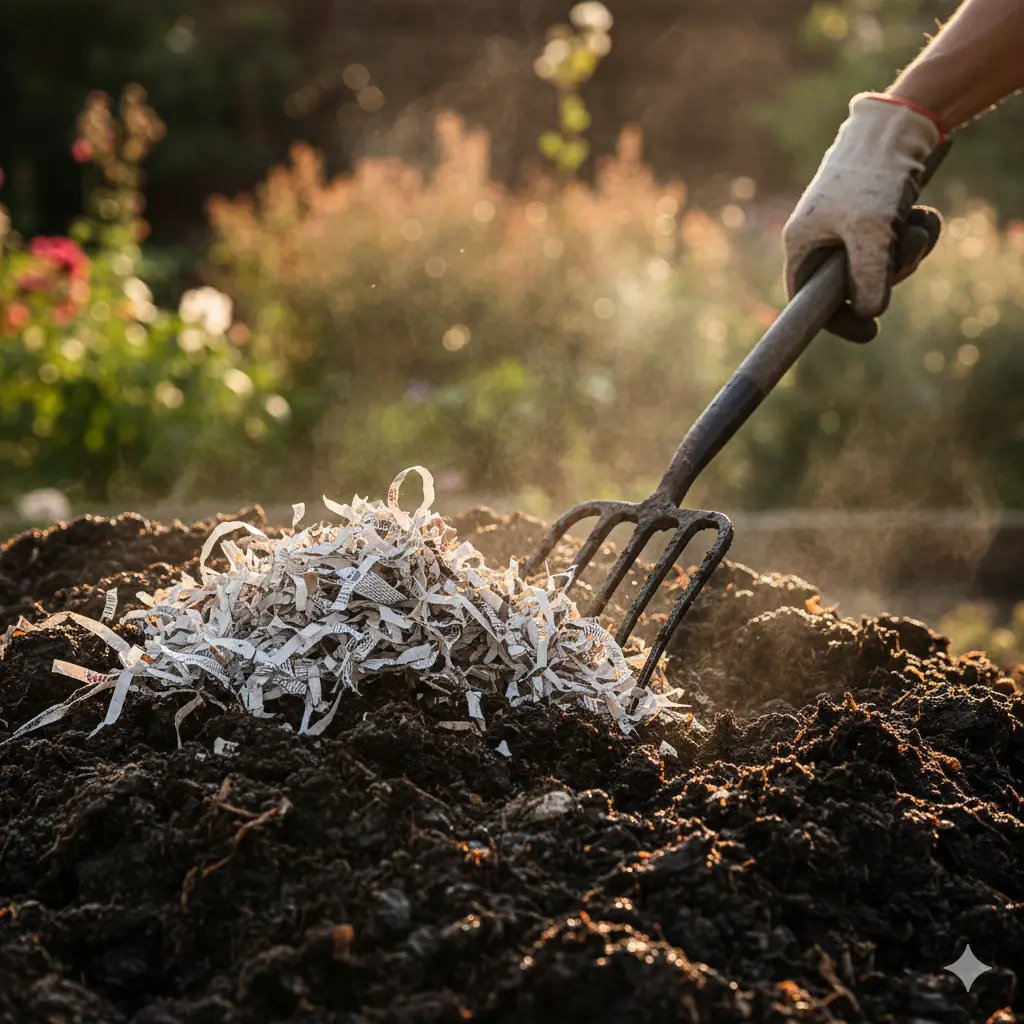
The quickest way to fix wet compost is by adding a massive dose of dry, highly absorbent carbon-rich ‘Browns’. These materials act as a sponge to stabilize the liquid.
The best materials for this emergency fix are shredded newspaper, sawdust, dry straw, or shredded cardboard. Avoid adding wet carbon like fresh cardboard that has been soaked.
Step 2: Turn Vigorously (The Oxygen Infusion)
This is the most critical step. Spread the dry Browns across the surface of your pile, then use a pitchfork or aerator to turn the entire heap completely, mixing the dry material into the wet clumps.
Turning mechanically breaks apart the dense, anaerobic zones and simultaneously floods the pile with fresh oxygen. This action immediately slows the production of odor-causing gases.
Example: If you added a bucket of watery melon rinds and it caused a slurry, you would add a bucket of shredded dry leaves and turn until the consistency feels like damp—not wet—cake batter.
| Sign of Wetness | Cause | Immediate Solution |
|---|---|---|
| Sour/Ammonia Smell | Lack of oxygen (Anaerobic) | Turn pile vigorously to aerate. |
| Water Streams Out | Excessive liquid | Add shredded paper/sawdust to absorb liquid. |
| Slime/Density | Compaction of fine particles | Add structural bulking agents (wood chips, straw) and turn. |
🏡 Prevention Tactics: Avoiding Future Sludge
Once you’ve saved the pile, focus on preventing the problem from reoccurring by managing material input and the environment.
Manage Watery Materials
Be mindful of high-moisture items. If you add large quantities of watery fruit pulp (like from juicing) or coffee grounds, always drain the material first and immediately follow up with a proportionate amount of dry carbon.
Ensure Drainage
Check the bottom of your compost bin. If it’s a plastic tumbler or bin, ensure the drainage holes are clear and not clogged. If your pile is on the ground, ensure it’s not sitting in a low spot where water tends to collect.
Cover the Pile
During prolonged rainy seasons, cover your compost bin with a tarp or a secure lid. While the compost needs water, you don’t want it saturated by external sources you can’t control.
Micro-Case Example: My pile was constantly soggy because I placed my bin under a downspout drip line. Moving the bin a few feet away and adding a structural base of dry wood chips solved the problem permanently.
🎉 The Outcome: Back to Black Gold
Fixing a wet pile can feel daunting, but the composting process is highly resilient. By introducing air and dry carbon, you shift the system back to the preferred aerobic environment.
Within a few days of aeration and drying, the foul smells will disappear, the temperature will likely begin to rise, and your beneficial microbes will be back to efficiently creating that rich, dark compost.