

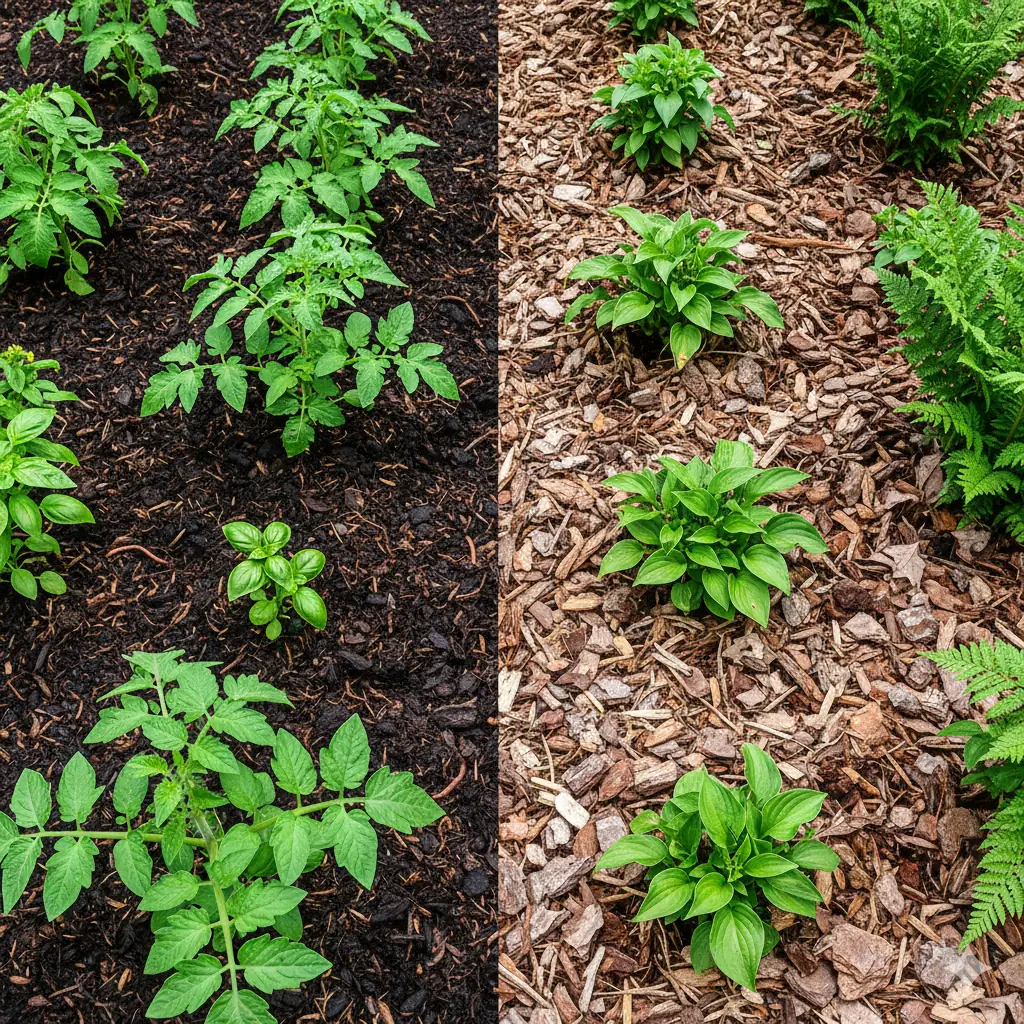

Compost Mulch vs. Regular Mulch: What’s Best for Your Garden?
Welcome to financeguru.me, where we delve into topics that enrich your life, including the health of your garden! Today, we’re exploring a fundamental question for any gardener: should you use compost mulch or regular mulch? Both offer significant benefits, but understanding their distinct characteristics can dramatically improve your gardening success.
Choosing the right type of mulch is more than just an aesthetic decision; it’s about nurturing your soil and plants. We’ll break down the pros and cons of each, helping you make an informed choice that aligns with your gardening goals and environmental values. Let’s dig in and discover which mulch is the perfect fit for your green oasis.
Understanding Regular Mulch
What is Regular Mulch?
Regular mulch typically refers to inorganic or inert organic materials used to cover the soil surface. Common examples include wood chips, shredded bark, pine needles, straw, and even decorative stones or rubber. These materials primarily serve as a protective layer, shielding the soil from environmental stressors.
The main function of regular mulch is to conserve soil moisture by reducing evaporation, suppress weed growth by blocking sunlight, and moderate soil temperature. It acts as an insulating blanket, keeping soil cooler in summer and warmer in winter. This protective barrier is crucial for consistent plant growth and reduced watering needs.
Benefits of Regular Mulch
One of the most immediate benefits of regular mulch is its effectiveness in weed suppression. A thick layer can significantly reduce the amount of weeding you need to do, saving you time and effort. For instance, a 3-4 inch layer of wood chips can create an effective barrier against most annual weeds.
Furthermore, regular mulch helps to stabilize soil temperatures, protecting plant roots from extreme heat and cold. It also conserves water, which is particularly vital in drier climates or during hot spells, ensuring your plants receive consistent hydration. This can lead to substantial savings on your water bill.
Drawbacks of Regular Mulch
While beneficial, regular mulches, especially those made from wood products, can sometimes lead to nitrogen depletion in the soil as they decompose. This happens when microorganisms breaking down the carbon-rich mulch draw nitrogen from the surrounding soil, making it less available for plants.
Another consideration is that many regular mulches do not significantly contribute to soil fertility. They offer physical protection but lack the nutrient-rich properties that truly feed the soil long-term. Over time, some regular mulches may also need frequent replenishment as they break down or are displaced.
Understanding Compost Mulch
What is Compost Mulch?
Compost mulch is essentially finished compost used as a top dressing on garden beds. It’s a rich, dark, and earthy material created from the decomposition of organic matter like food scraps, yard waste, and leaves. Unlike regular mulch, compost mulch is alive with beneficial microorganisms and packed with nutrients.
This living material goes beyond simple soil coverage; it actively enriches the soil beneath. When spread over garden beds, compost mulch slowly releases vital nutrients, improving soil structure and fostering a healthy microbial ecosystem. It’s like a superfood for your garden.
Benefits of Compost Mulch
The primary advantage of compost mulch lies in its ability to simultaneously nourish the soil and provide all the benefits of regular mulch. It improves soil structure, enhancing drainage in clay soils and water retention in sandy soils. This creates an optimal environment for root development and nutrient absorption.
Compost mulch steadily releases a wide array of macro and micronutrients, providing a sustained food source for your plants. For example, a single application can supply essential nitrogen, phosphorus, and potassium, reducing the need for synthetic fertilizers. It also boosts beneficial microbial activity, which helps plants resist diseases and pests.
Drawbacks of Compost Mulch
One potential drawback of compost mulch is its cost, especially if purchased in large quantities. Producing your own compost can be time-consuming and requires dedicated space, but it offers a sustainable and free alternative. The initial investment might be higher than some regular mulches.
Another consideration is that compost mulch, being a nutrient-rich material, might sometimes encourage more weed growth if not applied correctly. Weed seeds can germinate in the fertile environment if the layer isn’t thick enough to suppress them. However, a proper 2-3 inch layer usually mitigates this.
Key Differences and Comparison
The fundamental distinction between compost mulch and regular mulch is their role in soil improvement. Regular mulch primarily focuses on physical protection and moisture conservation, acting as a barrier. Compost mulch, on the other hand, is an active soil amendment, constantly working to enrich and revitalize the soil underneath.
Think of it this way: regular mulch is like a protective hat for your garden, shielding it from the elements. Compost mulch is like a nutrient-rich meal and a hat, providing both protection and vital nourishment. Both are useful, but their core functions differ significantly.
Comparison Table
- Purpose: Regular Mulch – Protection, weed suppression, moisture retention. Compost Mulch – Soil enrichment, nutrient supply, improved soil structure, all benefits of regular mulch.
- Nutrient Contribution: Regular Mulch – Minimal to none, can sometimes deplete nitrogen. Compost Mulch – Rich in nutrients, feeds plants and soil over time.
- Soil Structure: Regular Mulch – No direct improvement. Compost Mulch – Significantly improves soil aeration, drainage, and water retention.
- Microbial Activity: Regular Mulch – Limited. Compost Mulch – Promotes thriving populations of beneficial microorganisms.
- Decomposition: Regular Mulch – Slower decomposition for wood-based types, requiring less frequent replenishment for some. Compost Mulch – Decomposes more quickly, continually feeding the soil.
- Cost: Regular Mulch – Generally less expensive upfront for inert materials. Compost Mulch – Can be more expensive to buy, but free if homemade.
When to Choose Which Mulch
Choosing between compost mulch and regular mulch often depends on your specific gardening needs and priorities. If your primary goal is weed control and moisture retention in an already healthy soil, regular mulch might be sufficient. It’s a great choice for pathways or areas where soil enrichment isn’t the top priority.
However, if you’re looking to build rich, fertile soil, improve plant vigor, and create a truly thriving ecosystem, compost mulch is the superior choice. It’s ideal for vegetable gardens, flower beds, and any area where you want to actively enhance soil health and nutrient cycling. Many gardeners even use a combination, with compost mulch applied directly around plants and regular mulch filling in gaps.
Tips for Application
General Mulching Tips
- Layer Thickness: Aim for a 2-4 inch layer for most mulches to be effective in weed suppression and moisture retention. Too thin, and weeds will push through; too thick, and it can suffocate roots or encourage pests.
- Keep Away from Stems: Always leave a small space (1-2 inches) around plant stems and tree trunks. Piling mulch directly against them can trap moisture, leading to rot and pest problems.
- Prepare the Area: Before applying any mulch, weed the area thoroughly and water it if the soil is dry. This ensures that the mulch is applied over a clean, hydrated base.
- Replenish as Needed: Both types of mulch will break down over time. Check your mulch depth seasonally and top it up as needed, usually once or twice a year, to maintain its effectiveness.
Compost Mulch Specific Tips
- Mix it In: While primarily a top dressing, gently incorporating a small amount of compost mulch into the top inch of soil can further boost soil structure and microbial activity.
- Combine with Regular Mulch: For maximum benefit, consider a two-layer approach. Apply a 1-2 inch layer of compost mulch directly to the soil, then top it with a 2-3 inch layer of a coarser regular mulch like wood chips. This provides both nourishment and robust protection.
- Monitor Soil pH: While compost is generally pH neutral, consistent application can subtly influence soil pH over time. It’s a good idea to periodically test your soil to ensure optimal conditions for your plants.
Conclusion
Both compost mulch and regular mulch hold valuable places in the gardener’s toolkit. Regular mulch excels at straightforward protection and water conservation, offering a practical solution for many landscaping needs. It provides a clean finish and reduces maintenance, which is appealing for busy gardeners.
Compost mulch, however, transcends simple protection by actively transforming your soil into a vibrant, nutrient-rich ecosystem. It’s an investment in the long-term health and productivity of your garden, fostering stronger plants and a more resilient environment. By understanding their unique roles, you can choose the ideal mulch to help your garden flourish and reach its full potential.
Ultimately, the best choice depends on your garden’s specific requirements and your personal gardening philosophy. Many experienced gardeners find that a strategic combination of both types of mulch yields the most impressive results, harnessing the strengths of each to create truly spectacular gardens. Happy mulching!