


There’s a unique joy in opening your compost bin and finding a pile of rich, dark ‘black gold.’ It’s the physical proof of your commitment to sustainability. But sometimes, you might find yourself with more finished compost than your immediate garden beds can handle.
It’s important not to let this valuable, nutrient-packed resource go unused. Excess compost isn’t a problem; it’s an opportunity! It allows us to get creative and improve many other areas of our outdoor and indoor spaces. Let’s explore some clever ways to put that extra compost to work.
Elevating Plant Care: Compost as a Soil Enhancer
The most intuitive way to use compost is as a soil amendment, but we can be strategic about how we apply it. Instead of just dumping it on the surface, think about targeted applications that maximize its nutritional impact.
1. Making Nutrient-Rich Potting Mix
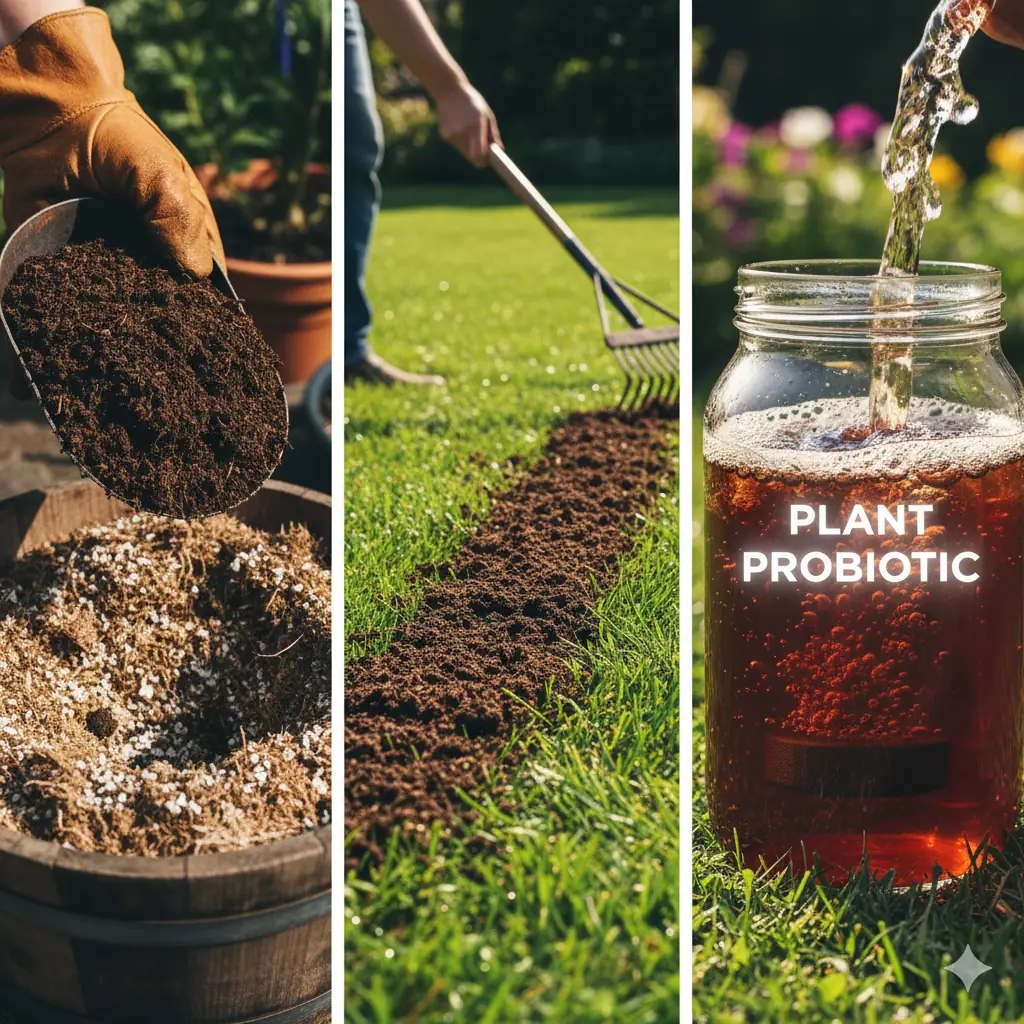
If you purchase commercial potting mix regularly, you know the cost can add up quickly. Your extra compost offers a fantastic, free alternative ingredient. It provides aeration, moisture retention, and a slow release of nutrients.
To create a DIY potting mix, blend your finished compost with other materials like peat moss (or coconut coir) and perlite or vermiculite. A common ratio is one-third compost, one-third aeration material, and one-third base material. This customized mix will give your container plants a vibrant start.
2. Creating a Compost Tea Tonic
Compost tea is essentially a liquid fertilizer and microbial inoculant. It’s a wonderful way to stretch your compost supply, as a small amount can treat a large area. Think of it as a probiotic power drink for your plants—it helps boost beneficial soil organisms.
You can make a simple ‘tea’ by soaking a handful of compost in a bucket of dechlorinated water overnight. Use this diluted liquid to water your plants or spray it directly onto leaves. It delivers nutrients and disease-fighting microbes right where they are needed.
- Gather Materials: You need finished compost, a bucket, and dechlorinated water.
- Steep: Place 1-2 cups of compost in a fine mesh bag (like an old stocking) and suspend it in 5 gallons of water for 24 hours.
- Agitate (Optional): Stir or bubble the water (using an aquarium bubbler) to keep it oxygenated.
- Apply: Use the dark brown liquid immediately to water your garden beds or potted plants.
Beyond the Beds: Creative Applications
The utility of compost extends far beyond the vegetable patch. It can be used to improve large areas of your landscape, helping to rejuvenate tired lawn soil or establish new plantings.
3. Top Dressing the Lawn
Lawns often become compacted and nutrient-depleted over time. A thin layer of finished compost, known as top dressing, can dramatically improve the turf’s health, helping it retain moisture and resist disease. It’s like giving your lawn a luxurious, slow-release spa treatment.
Spread about a quarter-inch of finely screened compost evenly over the lawn, then rake it in gently so it settles around the base of the grass blades. The next rain or watering session will carry those precious nutrients directly into the root zone.
4. Amending Shrub and Tree Plantings
When planting new trees or shrubs, mixing compost into the backfill soil is highly recommended. This ensures the new roots have immediate access to organic matter and micronutrients, helping the plant establish quickly and successfully.
You don’t need a huge amount; simply blend one part compost with two or three parts native soil when refilling the planting hole. This gives the newly planted specimen a fantastic head start in its new environment.
5. Using it for Erosion Control and Mulch
In areas where soil is exposed and prone to washing away, compost can act as an effective erosion barrier. Its crumbly structure helps bind the soil surface and allows water to slowly percolate rather than run off.
Applying a thick layer of compost around established plants also serves as an excellent mulch. It suppresses weeds, moderates soil temperature, and slowly feeds the roots underneath—a wonderful triple benefit.
Tips for Storing and Screening Extra Compost
If you truly have more finished compost than you can use immediately, proper storage is essential to preserve its quality and microbial life. You want to keep those good organisms alive and ready for their next job.
Tips for Handling and Storing Compost
- Screen It: Before storing or using for fine applications (like potting mix or top dressing), run your compost through a mesh screen (hardware cloth). This removes larger, unfinished pieces and creates a uniform, fluffy texture.
- Keep It Moist: Store finished compost in covered bins or large, breathable bags (like burlap sacks). Ensure it remains slightly damp; if it dries out completely, the beneficial microbes will die off.
- Keep It Shady: Store compost out of direct sunlight to prevent overheating and excessive drying. A cool, shady corner of the shed or garage is ideal.
- Gift It: Share the wealth! Fellow gardeners, neighbors, or even local community gardens are often delighted to receive high-quality finished compost.
In the end, having extra compost is a sign of a successful composting system. By exploring these creative uses—from brewing beneficial teas to fortifying your entire lawn—you ensure that none of your effort, or nature’s bounty, ever goes to waste. It’s a beautifully sustainable cycle.