

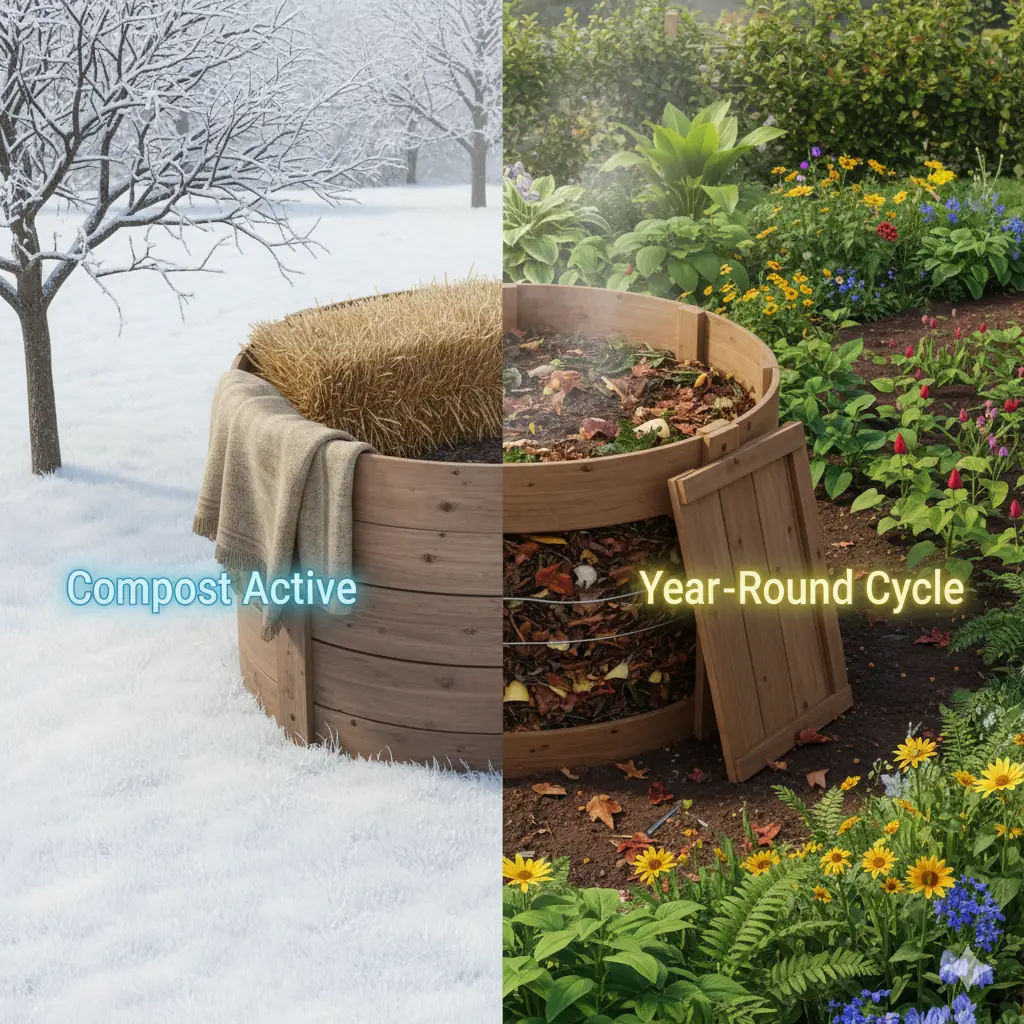

Composting is a wonderful way to give back to the earth, transforming kitchen scraps and yard waste into nutrient-rich ‘black gold’ for your garden. While it might seem like a seasonal activity, with a little know-how, you can keep your compost pile actively working its magic throughout the entire year, even in colder climates.
Maintaining an active compost pile means consistently providing the ideal conditions for the beneficial microorganisms that do all the hard work. Think of it as keeping a bustling ecosystem alive and well, regardless of what the weather outside is doing. Let’s explore how to achieve this continuous composting success.
Understanding the Basics: What Makes Compost Active?
At its heart, composting is a biological process driven by microscopic organisms like bacteria and fungi. These tiny workers thrive under specific conditions, munching on organic materials and breaking them down. For an active compost pile, four main ingredients are essential.
These crucial elements are carbon (brown materials), nitrogen (green materials), moisture, and oxygen. When these are in the right balance, the microbes flourish, generating heat and rapidly decomposing your waste. Disrupt this balance, and the process slows down or even stops.
The Carbon-Nitrogen Balance: Fueling the Microbes
Imagine your compost pile as a kitchen for microbes. Carbon-rich ‘brown’ materials, like dry leaves, wood chips, and shredded paper, provide energy. Nitrogen-rich ‘green’ materials, such as food scraps, grass clippings, and fresh plant trimmings, supply protein for their growth.
A good rule of thumb is to aim for a ratio of about 2-3 parts brown to 1 part green. Too much green can lead to a slimy, smelly pile, while too much brown will slow decomposition to a crawl. It’s all about finding that sweet spot for optimal microbial activity.
Moisture: The Essential Hydration
Just like us, microbes need water to survive and function. Your compost pile should feel like a wrung-out sponge—damp but not soaking wet. If it’s too dry, microbial activity will halt; too wet, and you risk anaerobic (oxygen-lacking) conditions, leading to unpleasant odors.
Regularly check the moisture level, especially during dry spells or if you’re adding a lot of dry materials. A quick sprinkle with the hose or adding some moist ‘green’ waste can often bring it back to life. Conversely, if it’s too wet, adding more dry ‘browns’ and turning the pile can help.
Oxygen: The Breath of Life
Most beneficial composting microbes are aerobic, meaning they need oxygen to thrive. Without enough air, different types of microbes take over, producing foul smells and a slower, less efficient decomposition process. This is why turning your compost pile regularly is so important.
Turning introduces fresh air into the pile, preventing compaction and ensuring oxygen reaches all parts. Aim to turn your pile once a week or whenever you add a significant amount of new material. It’s like giving your microbes a much-needed breath of fresh air!
Seasonal Strategies for Year-Round Activity
Keeping compost active through all four seasons requires a slightly different approach, as temperature and available materials change. Here’s how to adapt your composting habits throughout the year.
Spring and Summer: Peak Performance
These are the golden seasons for composting. Warm temperatures naturally accelerate microbial activity, and you’ll likely have an abundance of ‘green’ materials like grass clippings, garden trimmings, and fresh food scraps. The key here is consistent turning and maintaining moisture.
Be mindful not to let your pile dry out in the summer heat. A good soaking every now and then, especially after adding dry materials, can make a big difference. Also, make sure to balance those plentiful ‘greens’ with a good supply of ‘browns’ to keep the ratio right.
Autumn: Stocking Up for Winter
Autumn brings a bounty of ‘brown’ materials—fallen leaves! This is the perfect time to collect and store these for winter use when ‘greens’ might be scarce. Shredded leaves are ideal for maintaining that carbon-nitrogen balance in colder months.
As temperatures drop, microbial activity will naturally slow down. You might notice less heat coming from the pile. This is normal. The goal now is to insulate your pile and prepare it for a slower, but still active, winter phase.
Winter: The Slow Cooker
Composting doesn’t stop in winter; it just slows down, much like a slow cooker compared to a microwave. The microbes go into a semi-dormant state, but they’re still working. The key challenges are low temperatures and a scarcity of fresh ‘green’ materials.
Insulate your pile using bales of straw, old blankets, or even a thick layer of snow. This helps trap the warmth generated by microbial activity. Continue adding kitchen scraps, and remember those stored ‘browns’ from autumn to maintain balance. Turning might be less frequent but is still beneficial on milder days.
Tips for Year-Round Composting Success
- Shred Materials: Smaller pieces decompose faster, increasing surface area for microbes.
- Location Matters: Place your compost in a spot that gets some sun in winter to help warm it, but partial shade in summer to prevent drying out.
- Have a ‘Brown’ Stash: Always keep a separate pile of shredded leaves or wood chips for quick additions.
- Use a Good Bin: Tumbler composters can be excellent for year-round turning, while insulated bins help in colder weather.
- Be Patient: Composting is a natural process; it takes time. The more consistent you are, the faster and better your results will be.
By understanding these principles and adapting your approach to the seasons, you can enjoy a continuous supply of nutrient-rich compost. It’s a rewarding cycle that benefits your garden, your wallet, and the environment, all year long. Happy composting!