


Getting Started: Why a Routine Matters
So, you’re ready to start composting—that is fantastic! Turning your food scraps and yard waste into rich soil amendment is a rewarding journey. But like any good habit, successful composting relies on having a thoughtful routine.
Think of your routine as the ‘recipe’ for your compost pile. A plan prevents common issues like odors or pests and ensures your compost finishes smoothly. It really takes the guesswork out of the process, making it enjoyable instead of a chore.
Phase 1: Assessing Your Needs and Setup
Choosing Your Composting Method
The first step in planning your routine is deciding which method works best for your living situation. Do you have a large backyard for a traditional heap, or are you in an apartment needing a simple worm bin?
Knowing your method—whether it’s cold composting, hot composting, or vermicomposting—will dictate your material limits and maintenance schedule. For example, a hot compost pile needs more frequent turning than a passive cold pile.
The Collection System: Keeping It Simple
A good routine starts right in your kitchen. You need a convenient way to collect scraps without causing smells or mess. A simple countertop container with a lid, perhaps ceramic or stainless steel, works wonders.
Aim to empty this kitchen container every day or every other day into your main bin. This prevents fruit flies and keeps your kitchen clean, which is a major win for staying motivated! You might also designate a separate bin for yard waste outside.
Phase 2: Developing Your Weekly Input Schedule
Mastering the Green-Brown Balance
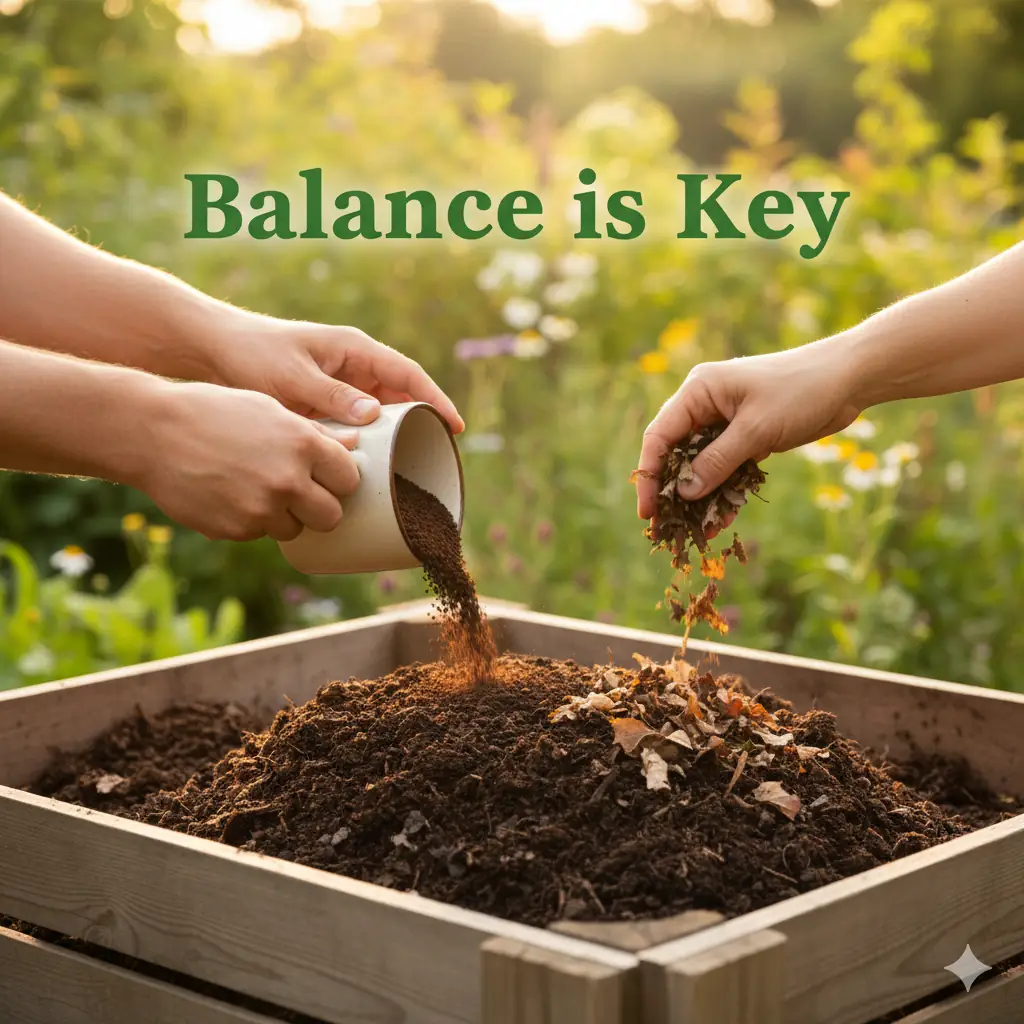
Composting success hinges on balancing ‘greens’ (nitrogen-rich materials like fruit peels and coffee grounds) and ‘browns’ (carbon-rich materials like dry leaves and shredded cardboard). Your routine should involve adding both regularly.
A great approach is to save up your browns—think big bags of autumn leaves—and keep them next to your compost bin. Then, every time you add your daily kitchen greens, immediately follow up by layering in an equal amount of saved browns. This simple ratio keeps the pile happy and working hard.
The Green Material Input Cycle
For most households, ‘greens’ come from daily meal prep. Make it a habit to scrape plates directly into the kitchen pail after every dinner. If you juice or make smoothies, those residues are excellent additions too.
If you have a large volume of greens on a certain day—like after clearing out the fridge—it’s wise to compensate immediately with extra dry brown material. Remember, too many greens without browns can lead to a sludgy, smelly pile.
The Brown Material Stockpile Strategy
Browns are often added less frequently but are just as important. Dedicate time each season to collect and store materials. Shredding cardboard or collecting dry leaves in the fall ensures you have a consistent supply throughout the year.
Without a consistent source of browns, your composting routine will stall when you run out. Keep them dry and near your bin so that adding them becomes a quick, integrated step in your daily routine.
Phase 3: The Maintenance Timetable
A successful routine isn’t just about adding materials; it’s about checking in on your pile. This is where the real magic happens, as you monitor temperature, moisture, and airflow.
We can break down maintenance into three easy steps: checking moisture, turning, and occasional watering. This doesn’t need to be daily, but having a set schedule is key to making sure it actually gets done.
The Moisture Check (Twice Weekly)
Your compost should feel like a wrung-out sponge—damp, but not soaking wet. Try to check your pile’s moisture level at least twice a week, maybe on a Monday and Thursday.
If it looks too dry, give it a sprinkle with the hose. If it’s too wet, add a generous amount of dry browns like wood shavings or shredded newspaper to soak up the excess moisture.
The Turning Schedule (Weekly or Bi-Weekly)
Turning the compost pile introduces oxygen, which is essential for the helpful bacteria doing the decomposition work. If you are aiming for ‘hot’ compost, you might need to turn it every three to five days.
For a more casual routine, turning the pile once every week or every other week is perfectly fine. Choose a convenient day—like Saturday morning—and make it a regular activity. A well-aerated pile is a happy pile!
Phase 4: Harvesting and Utilizing Your Compost
The final and most rewarding part of the routine is harvesting the finished product. This usually happens in cycles, depending on your method and maintenance consistency. Cold composting can take up to a year, while hot composting may be ready in a few months.
Once the material is dark, crumbly, and smells earthy—not like garbage—it’s ready. Plan your gardening schedule around this harvest, using the compost to enrich your vegetable beds or top-dress your houseplants. This closes the loop and reinforces the entire routine!
Routine Checklist Summary
Here’s a snapshot of a balanced, sustainable composting schedule:
- Daily: Empty kitchen pail (Greens) and layer with saved Browns.
- Twice Weekly: Check moisture and temperature. Add water or dry browns as needed.
- Weekly/Bi-Weekly: Turn the pile thoroughly to aerate the materials.
- Seasonally (Fall/Spring): Collect and stockpile bulky Brown materials (leaves, cardboard).
- Once or Twice Yearly: Harvest the finished compost for use in your garden.
Making Your Routine Sustainable and Enjoyable
The beauty of a composting routine is that it’s flexible and customizable to your life. Don’t feel pressured to turn your pile every four days if your schedule doesn’t allow it. Consistency is always better than sporadic perfection.
Start small, focus on the daily input of greens and browns, and then gradually incorporate maintenance into your weekend flow. Before you know it, you’ll have a rich, productive composting habit that benefits both your garden and the planet. Happy composting!