

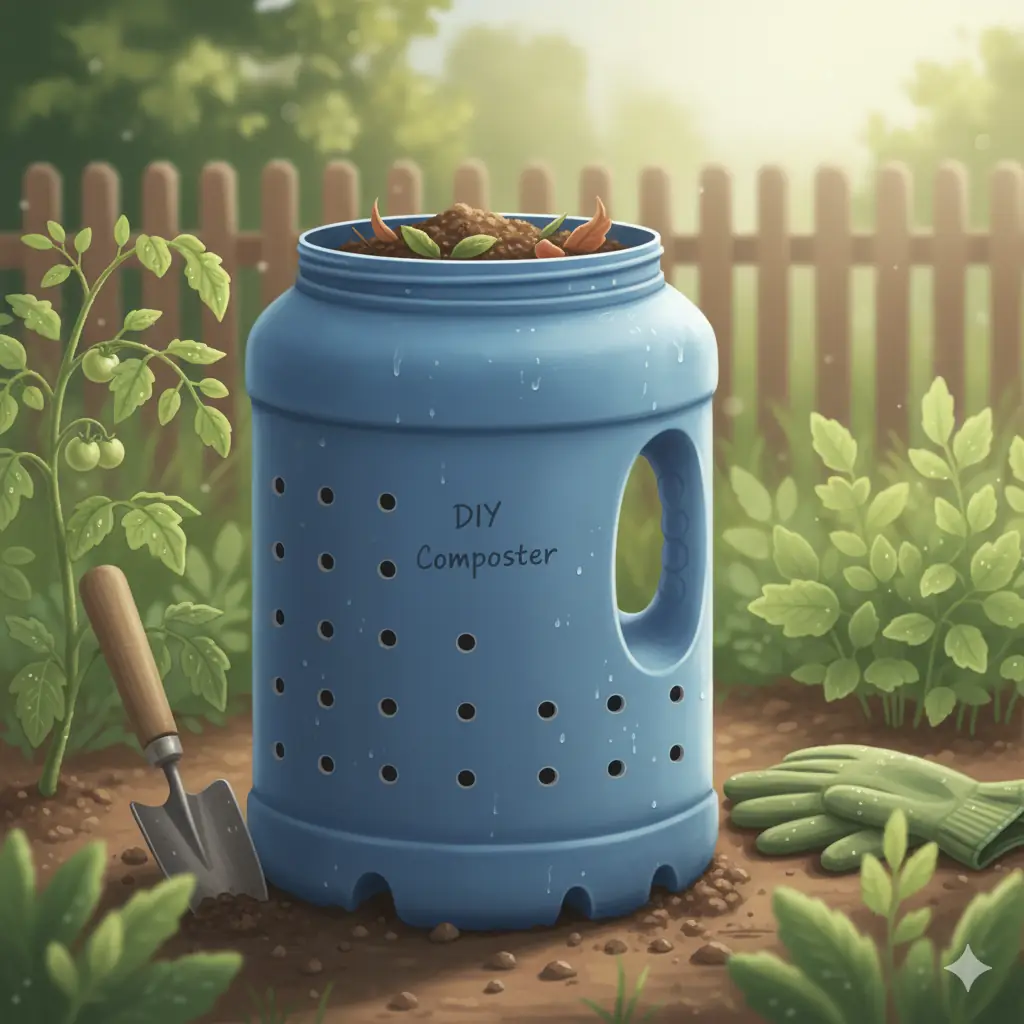

We all have those empty containers lingering in our homes: a lonely plastic laundry detergent jug, a sturdy kitty litter bucket, or even an old, unused trash can. Before you send them to the recycling bin (or worse, the landfill), consider giving them a fantastic second life as a DIY composting solution!
Reusing old containers for composting is a wonderful way to reduce waste even further. It saves money, diverts plastic from the waste stream, and helps you create nutrient-rich soil for your garden. It’s a win-win-win for your wallet, your home, and the planet.
Why Repurpose Containers for Composting?
The beauty of using old containers for composting lies in its simplicity and efficiency. It’s a practical step for anyone looking to embrace more sustainable habits without needing to invest in brand-new equipment.
Many commercially available compost bins are essentially sturdy, ventilated containers. With a little creativity and a few simple modifications, you can achieve the same functionality with items you already own.
Benefits of Container Composting:
- Cost-Effective: You’re using what you already have, saving money on new bins.
- Waste Reduction: Giving plastic a second life before recycling it (or indefinitely if it works well!).
- Space-Saving: Ideal for smaller yards or even patios, as container systems can be more compact.
- Pest Control: A well-secured container can deter unwanted critters from your compost pile.
- Portability: Move your compost to where it’s most convenient for filling or turning.
Choosing the Right Container for the Job
Not just any container will do, but many common household items are surprisingly perfect candidates. The key is to look for sturdy, opaque (non-see-through) plastics or metals that can withstand the elements and the composting process.
Ideal Container Candidates:
- Large Plastic Totes/Storage Bins: Think 18-gallon or larger. Their size makes them suitable for a good volume of kitchen scraps and yard waste.
- Kitty Litter Buckets (empty & clean): These are often made from thick, durable plastic and come with secure lids. They are perfect for smaller batches or a worm composting (vermicomposting) setup.
- Laundry Detergent Jugs (empty & clean): For very small, contained composting, or even as an indoor collection bin before transferring to a larger outdoor pile.
- Old Trash Cans: Especially the sturdy, lidded outdoor variety. These make excellent, large-capacity composters for family-sized waste.
- Plastic Drums or Barrels: If you’re tackling larger volumes, a 55-gallon drum can be modified into a fantastic tumbler or stationary composter.
A quick tip: Avoid clear plastic containers. Sunlight can inhibit the composting process and encourage algae growth, which isn’t ideal for your ‘black gold’. Opaque is the way to go!
Preparing Your Container for Composting
Once you’ve chosen your container, a little preparation is necessary to ensure it becomes an effective composting environment. This usually involves cleaning and, most importantly, adding ventilation and drainage.
The Simple Steps:
- Clean It Thoroughly: Wash out your container with soap and water, especially if it held detergents or chemicals. Rinse well to remove all residues.
- Drill Drainage Holes: Using a drill with a ½-inch to 1-inch bit, create several holes in the bottom of the container. These are crucial for excess water to escape, preventing your compost from becoming a soggy, smelly mess.
- Add Ventilation Holes: Drill more holes around the sides of the container, spaced every 6-8 inches, from the bottom to near the top. Oxygen is vital for aerobic (good) decomposition; without it, your compost will go anaerobic and smell unpleasant.
- Elevate (Optional but Recommended): Place your container on bricks, wooden blocks, or an old pallet. This improves airflow around the bottom holes and helps with drainage, preventing pests from burrowing directly into the bin from below.
- Secure the Lid: Ensure your container has a tight-fitting lid. This helps retain heat and moisture, which are essential for decomposition, and keeps pests like rodents and flies out.
Illustration: Imagine drilling holes in a bucket. The bottom holes are like little escape routes for water, while the side holes are tiny windows letting the compost breathe. Without them, it’s like trying to run a marathon in a sealed box – things would get pretty unpleasant!
Filling and Managing Your New Compost Bin
Now that your container is ready, it’s time to start adding your compostable materials! Remember the ‘greens’ and ‘browns’ rule for a balanced compost mix.
- Greens: These are nitrogen-rich materials like fresh kitchen scraps (fruit and vegetable peels, coffee grounds, eggshells) and fresh grass clippings.
- Browns: These are carbon-rich materials like dry leaves, shredded newspaper or cardboard, wood chips, and straw.
Aim for a roughly 2:1 ratio of browns to greens. This balance is key to active, odor-free decomposition. For example, after adding a layer of fruit peels, follow up with a layer of dry leaves or shredded paper.
Keep your compost consistently moist, like a wrung-out sponge, and turn it every week or two with a pitchfork or shovel. This aerates the pile and speeds up decomposition. With a container composter, you might even be able to just roll it on its side to mix it if it’s not too heavy!
Notes for Success:
- Avoid adding meat, dairy, oily foods, or pet waste to prevent pests and odors.
- Chop larger items into smaller pieces to speed up decomposition.
- If your compost smells bad, it’s likely too wet or lacks air. Add more browns and turn it.
- If it’s not breaking down, it might be too dry. Add a little water and turn it.
Conclusion: Your Repurposed Compost Journey Begins
Turning an old container into a functional compost bin is a fantastic example of practical sustainability. It’s accessible, affordable, and incredibly rewarding. You’re not just diverting waste; you’re actively creating a valuable resource for your garden.
So, the next time you find an empty bucket or bin, think twice before tossing it. With a little effort, it could be the start of your very own successful composting adventure, turning kitchen waste into garden gold!