

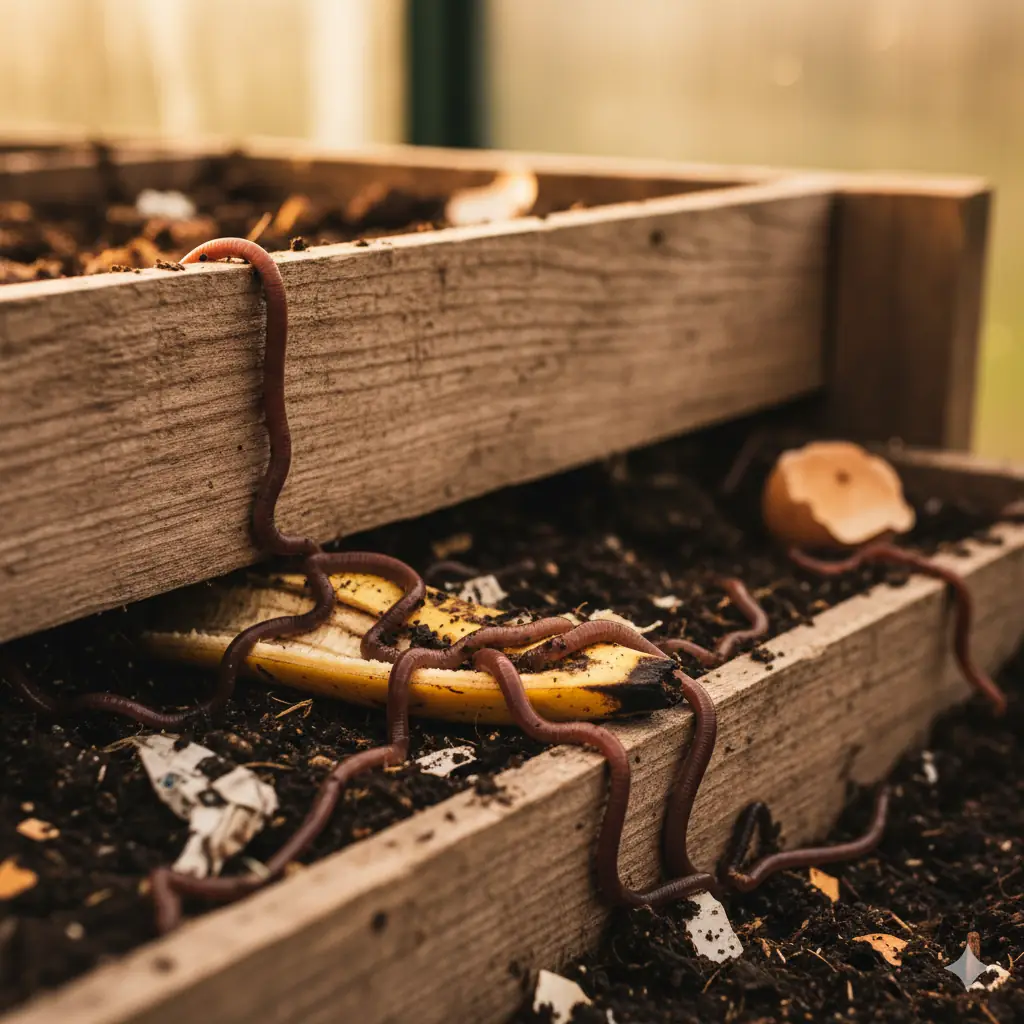

🌱 Introduction to the Marvel of Vermicomposting
Worm composting, or vermicomposting, is an incredibly effective and eco-friendly way to turn your kitchen scraps into a potent soil amendment. It’s essentially a small, managed ecosystem where certain types of worms do the heavy lifting.
If you’re looking to reduce household waste and produce a high-quality fertilizer, this is a fantastic project. It’s much simpler than traditional composting and can be done right indoors, making it perfect for apartments or small yards.
Think of your worm bin as a slow-moving, quiet recycling center right in your home. It’s a rewarding process that yields what gardeners call ‘black gold.’
Let’s dive into the core steps needed to set up and maintain a thriving home for your new, squiggly roommates.
🏗️ Step 1: Choosing and Preparing Your Worm Home (The Bin)
The first critical decision is selecting the right container. Your worm bin doesn’t need to be fancy; a dark plastic storage tub is often the best choice for beginners.
The ideal size for a standard household producing about 3-5 pounds of food waste weekly is around 10-15 gallons. A shallower bin is better than a deep one, as worms prefer to live closer to the surface.
Drilling for Airflow and Drainage
Worms are living creatures that need to breathe, so proper aeration is non-negotiable. You’ll need to drill numerous small holes (about 1/4 inch) in the sides and lid of the bin.
It’s also wise to drill a few drainage holes in the bottom. While the bin should remain moist, it must never be waterlogged, which can drown your worms.
Place your finished bin on a tray or blocks to allow air circulation underneath and to catch any liquid runoff, which is the nutrient-rich worm tea.
🐛 Step 2: Selecting and Introducing Your Worms
Not all worms are created equal in the composting world. You cannot simply use the earthworms from your garden; they won’t survive the dense, rich environment of a compost bin.
The Champion Composter: Red Wigglers
The species of choice for vermicomposting is the Red Wiggler (Eisenia fetida). These are surface dwellers that consume organic matter rapidly and reproduce quickly, making them ideal for the job.
A good starting ratio is approximately one pound of worms for every one to two pounds of food waste you generate per week. If you produce 3 pounds of scrap, start with 2-3 pounds of worms.
When your worms arrive, gently introduce them to their new bedding. They may take a day or two to settle in, but they will quickly start exploring and burying themselves.
🛏️ Step 3: Creating the Perfect Bedding and Moisture Balance
The bedding acts as the worm’s home, where they live, breed, and eat. It needs to be airy, absorbent, and provide a good carbon source.
Ideal Bedding Materials
A mix of materials works best, providing both structure and moisture retention. Here are a few excellent choices:
- Shredded Newspaper/Cardboard: Avoid glossy paper and ensure the pieces are small to prevent matting.
- Coconut Coir (Coir Pith): An excellent, pH-neutral material that holds moisture well.
- Peat Moss: Helps keep the bedding fluffy and well-aerated.
- Aged Compost or Manure: Introduces helpful microbes that aid in breaking down food scraps.
The Squeeze Test for Moisture
Moisture is arguably the most critical factor. The bedding should be consistently moist, like a wrung-out sponge, never soaking wet or bone dry.
To check, grab a handful of bedding and squeeze it: only a few drops of water should come out. This dampness is essential for the worms to breathe through their skin and to help bacteria break down the food.
Add water slowly with a spray bottle or a small watering can until the consistency is correct. It’s easier to add water than to remove it.
🍽️ Step 4: Understanding the Worm Diet (What and How to Feed)
Worms are not garbage disposals; they have specific dietary needs that will make or break the success of your bin. Knowing what to feed them is key to a healthy system.
Worm-Approved Food List (Feed)
The bulk of their diet should be fruits and vegetable scraps. They especially love melon rinds, coffee grounds, and tea bags (remove staples).
It’s best to chop or blend the scraps into smaller pieces. Smaller food means more surface area, which helps the bacteria break it down faster, making it easier for the worms to eat.
Always bury the food under the bedding to deter pests like fruit flies and ensure the worms have access to it.
Worm No-Go List (Avoid)
Certain items should be avoided entirely as they can attract pests, create unpleasant odors, or harm your worms. This is where most beginners make their mistakes.
- Meat and Dairy: These spoil quickly, smell terrible, and attract vermin.
- Oils and Greasy Foods: They create an impermeable layer in the bin and can suffocate worms.
- Citrus and Spicy Foods: The high acidity can be toxic or irritating to the worms.
- Excessive Bread/Pasta: These tend to mat together and become slimy or moldy, creating anaerobic (oxygen-less) pockets.
Pacing Your Feeding
Start by feeding your worms small amounts, just enough to be consumed within a few days. Overfeeding is the number one cause of bin failure.
Wait until the previous food pocket is nearly gone before feeding a new spot. This is why a regular, consistent schedule is better than large, infrequent dumps.
🌡️ Step 5: Managing the Environment and Harvesting Castings
A successful worm bin requires thoughtful placement and regular maintenance. The environment must be stable, much like a good home mortgage ensures financial stability.
The Temperature Sweet Spot
Red wigglers are comfortable in temperatures between 55°F and 77°F (13°C and 25°C). Extreme heat or cold can kill them.
For this reason, a garage, utility room, or basement is often the perfect location. Avoid direct sunlight or placement next to radiators.
Pros and Cons of Worm Composting
While an excellent practice, vermicomposting isn’t without its small trade-offs. Weighing these benefits against the few drawbacks helps set realistic expectations.
| ✅ Pros (Benefits) | ❌ Cons (Challenges) |
|---|---|
| Produces rich, highly concentrated fertilizer (castings). | Requires temperature monitoring (cannot freeze or overheat). |
| Excellent for indoor/small-space composting (no large pile needed). | Requires a specific type of worm (Red Wigglers). |
| Rapidly processes food waste compared to traditional hot composting. | Can attract fruit flies if not managed properly (by burying food). |
Harvesting Your ‘Black Gold’
After about 3-6 months, your bin will be mostly full of dark, rich, earthy material called worm castings. This is the ultimate goal—a highly potent, natural fertilizer.
The easiest method for a beginner is ‘side-feeding’: push the finished compost to one side and add fresh bedding and food to the other. The worms will migrate over in a few weeks, allowing you to scoop out the finished castings.
You can then use the castings immediately by mixing them into your garden soil or as a top-dressing for potted plants.
✨ Conclusion: Your Journey to a Healthier Garden Begins
Starting a worm composting bin is a simple yet powerful step toward a more sustainable lifestyle. It’s an easy project to manage once you understand the basic needs of your worms: air, moisture, and a balanced diet.
By providing a comfortable home, you’ll not only divert significant waste from landfills but also reap the rewards of the best natural fertilizer nature can provide. Happy composting!